
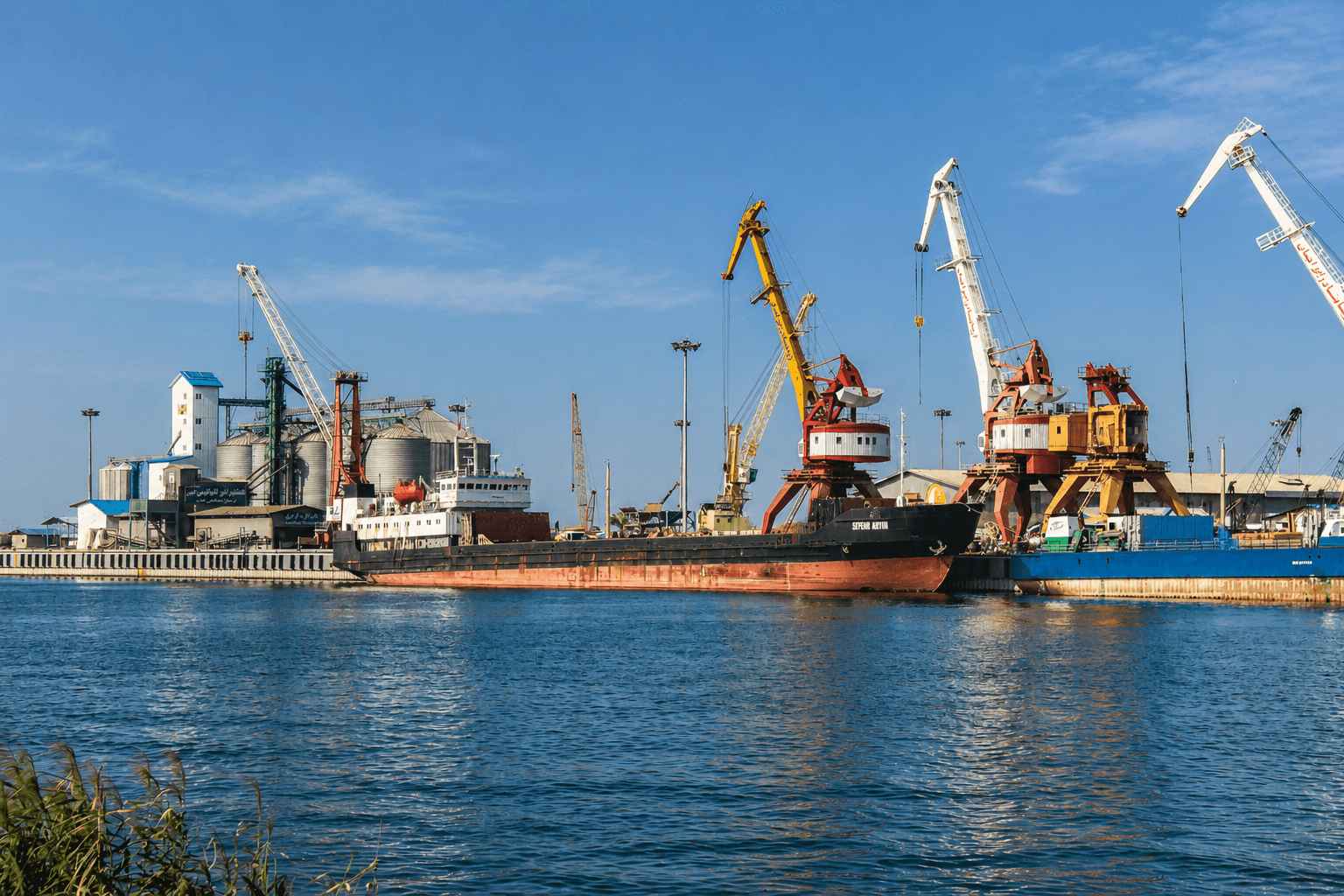
Iran-Russia Trade Route Sees 40% Volume Growth in 2026
Trade between Iran and Russia is increasingly connected through multimodal corridors that combine road, rail, and maritime transport. The growth of these routes reflects a broader shift in how businesses think about regional trade connectivity.
Trade routes are being redesigned
International trade has always been shaped by geography.
But in recent years, geopolitics has become equally important.
Businesses are increasingly asking:
- Which routes are available?
- Which routes are reliable?
- Which borders are open?
- Which transport corridors offer the fewest disruptions?
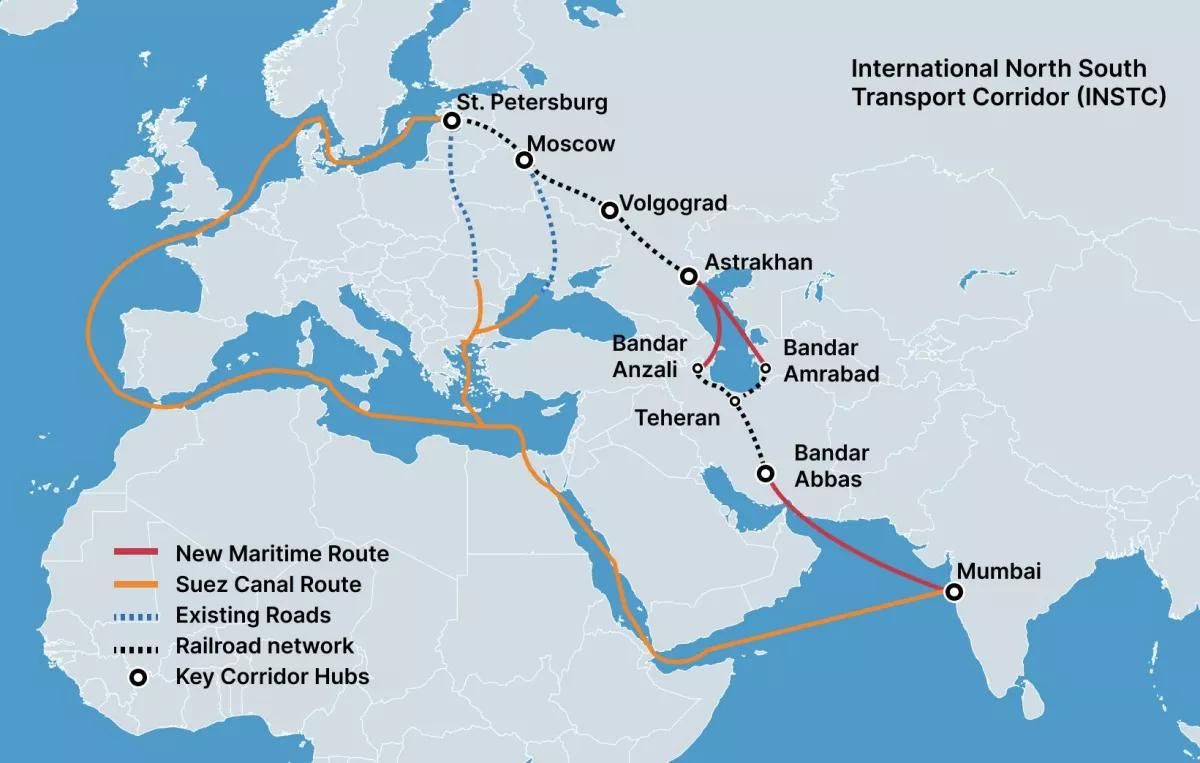
This has increased attention on the transport connections linking Iran, Russia, Central Asia, the Caucasus, and wider Asian markets. The International North-South Transport Corridor, or INSTC, is one of the most important examples.
The corridor combines:
- Maritime transport
- Rail
- Road freight
to create alternative connections between Russia, Iran, India, and other regional markets.
Why multimodal routes matter
A modern trade corridor does not have to be a single highway or railway. It can be a chain of different transport systems.
For example:
Russia → Caspian Sea → Northern Iran → Road/Rail → Southern Iran
This type of network can create new options for companies that need to move goods across a region with complex geography.
The advantage is flexibility.
If one section of a route becomes congested, businesses may be able to adjust the transport mode used in another part of the journey.
Growth creates opportunity — and pressure
When trade volumes increase, infrastructure is tested.
Ports need to handle more cargo. Railways need additional capacity. Border crossings need to process shipments efficiently.
Customs systems need to exchange information quickly.
This means that corridor development is not only about building infrastructure.
It is also about improving coordination.
A shipment can move quickly across one section of a route and still lose days at a border because of:
- Documentation problems
- Customs procedures
- Transshipment delays
- Poor communication between logistics providers
The weakest link often determines the speed of the entire corridor.
The future of regional trade will be multimodal
The strongest trade routes of the future will not necessarily be the longest or cheapest.
They will be the routes that offer:
- Multiple transport options
- Reliable customs procedures
- Digital visibility
- Strong infrastructure
- Regional cooperation
For companies operating between Iran, Russia, Central Asia, and surrounding markets, understanding these corridors is becoming increasingly important.
Final thought
Trade corridors are more than lines on a map.
They are ecosystems.
Their success depends on:
Infrastructure + Customs + Logistics + Technology + Cooperation
As regional trade continues to evolve, businesses that understand how these pieces connect will be better positioned to move goods efficiently.